
Loading...
Serving Corpus Christi, TX and surrounding areas. (361) 260-1127
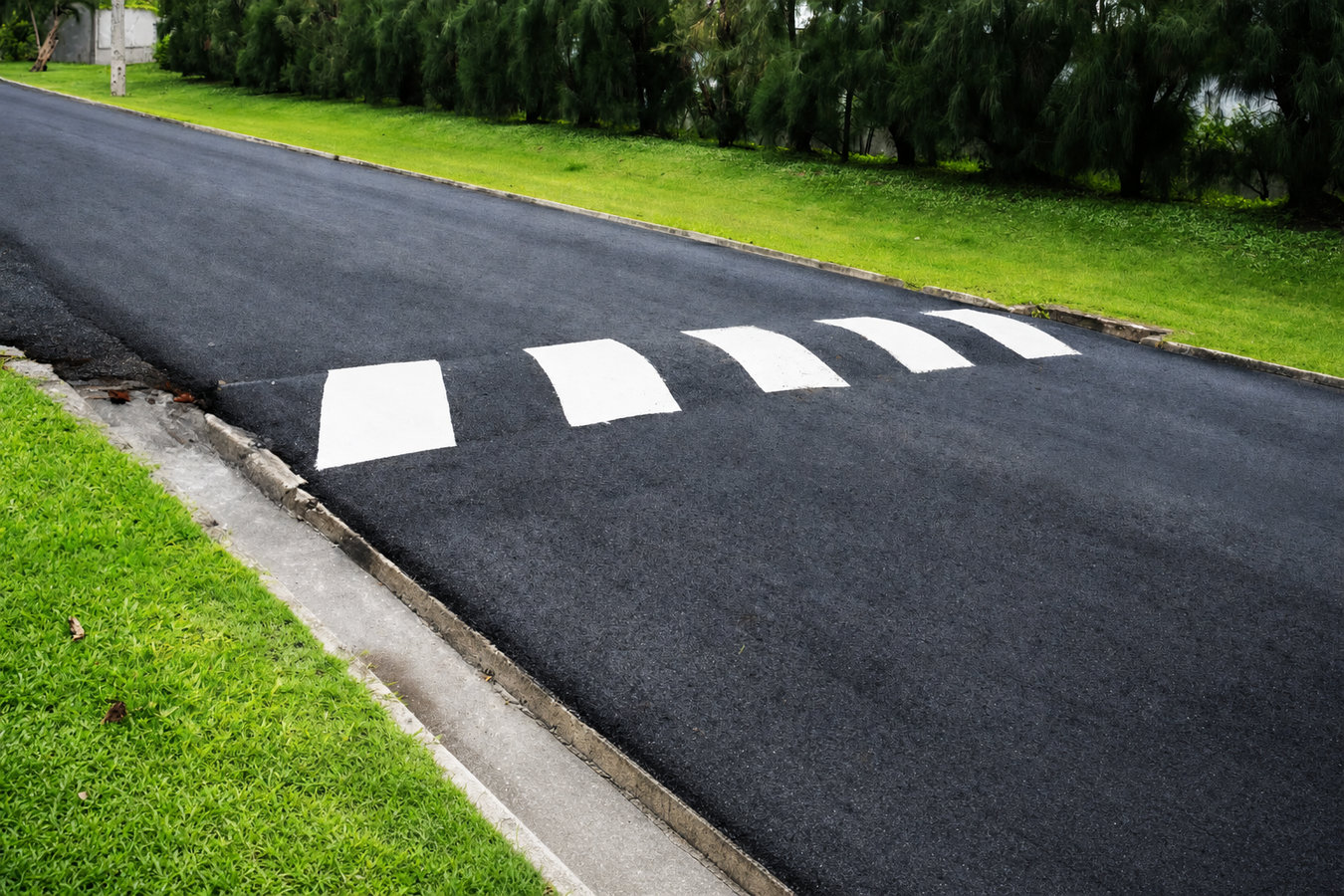
Signs do not slow drivers down. A permanent asphalt speed bump built into your driveway or parking area does. We install them correctly the first time so they hold up through South Texas heat and Gulf Coast rain.
Speed bump installation in Corpus Christi means building up layers of hot-mix asphalt directly into your paved surface to form a permanent raised hump - and most single-bump residential jobs are completed within a few hours.
An asphalt speed bump becomes part of the surface itself rather than a separate object placed on top of it. That makes it far more durable than rubber or plastic alternatives, and it handles Gulf Coast heat, heavy rain, and the clay soil movement common across the Coastal Bend without shifting or cracking. Before any bump goes in, a good contractor checks how water moves across the surface - because a poorly placed bump can trap water and create new drainage problems. For properties where drainage is already a concern, coordinating with our asphalt sealcoating team after installation helps protect the bump and the surrounding surface from UV oxidation.
Multiple bumps can be installed in a single visit, which keeps costs down for properties that need traffic calming at several points along a driveway or parking area. Doing them all at once almost always costs less than scheduling separate trips.
If cars regularly speed through your driveway, parking area, or private road, a speed bump is one of the most reliable ways to slow them down. Signs, painted markings, and verbal reminders rarely work as consistently as a physical feature built into the pavement itself.
If kids play near a driveway or parking area, or if pets are frequently outdoors in a space where vehicles travel, a speeding vehicle creates serious risk. Many Corpus Christi families with longer driveways or shared access roads choose speed bumps specifically for this reason.
When you cannot control who drives through a space, a speed bump does the controlling for you. Property managers and landlords across the Corpus Christi area use them to protect tenants, reduce liability, and keep parking areas orderly without constant enforcement.
Heavy vehicles cutting through a lot at speed cause more wear than slow-moving ones. If you are already seeing pavement damage in high-traffic areas, slowing vehicles down with a bump can extend the life of the surface - a real consideration given how quickly South Texas sun and heat degrade unprotected asphalt.
We install asphalt speed bumps for residential driveways, commercial parking lots, private roads, and shared access areas throughout Corpus Christi and the Coastal Bend. Every job starts with a site visit to assess the existing pavement condition, confirm how water drains across the surface, and determine the right placement and profile for the bump. We also discuss whether you want painted stripes or reflective markers added after installation - a step that greatly improves visibility during Corpus Christi's frequent evening and overnight rain showers. For properties that may also need concrete curbing or sidewalk work to complete a larger traffic management plan, we can coordinate both in a single project.
The difference between a speed bump and a speed hump matters for the right application. Bumps are shorter and more abrupt - designed to bring vehicles nearly to a stop. Humps are longer and gentler, allowing vehicles to slow to a moderate speed without stopping. For most private driveways and parking areas, bumps are the more common choice. We also offer asphalt sealcoating as a follow-up service to protect both the new bump and the surrounding surface from South Texas UV exposure.
Best for homeowners who need to slow vehicles on a private driveway, especially where children or pets are present.
Suited for commercial property owners who want to control vehicle speeds and reduce wear on high-traffic paved areas.
The right choice for HOA communities, rental properties, or any property with a road shared by multiple households or drivers.
Ideal for longer driveways or lots that need traffic calming at more than one point - done in a single visit to keep costs down.
Corpus Christi sits on the Gulf Coast and receives some of the most intense sun in Texas, with summer temperatures that regularly climb well above 95 degrees. That heat accelerates the oxidation of asphalt surfaces, making them brittle over time - which is why a contractor who uses a mix designed for high-heat climates and recommends periodic sealing will give your speed bump a much longer life. The Coastal Bend also sits on expansive clay soils that swell when wet and shrink when dry, stressing any paved surface from below. Properties in Flour Bluff and other coastal communities face these soil and sun conditions most intensely, and a bump installed without accounting for local ground movement can crack or separate from the surrounding surface within a season or two.
Heavy rainfall during Gulf storm season adds another layer of consideration - standing water that pools against a speed bump softens the base and can cause the bump to shift over time. Homeowners and property managers in Calallen and other areas with clay-heavy soils consistently find that local contractor experience directly affects how well a speed bump holds up through multiple wet seasons.
For information on asphalt installation standards, the Texas Asphalt Pavement Association is the state-level industry body that sets practices specific to Texas paving conditions.
Call or submit a request and describe your situation - the type of surface, how many bumps you need, and whether it is a driveway, parking lot, or shared road. We respond within 1 business day and schedule a site visit before giving you a price.
We visit the site, check existing pavement condition, assess how water drains across the surface, and confirm the best placement for the bump. You receive a written estimate that covers exactly what will be done.
If the bump is near a public right-of-way or your property is HOA-governed, we help identify what approvals are required and, in many cases, handle the paperwork on your behalf so you are not caught off guard.
The crew applies hot-mix asphalt in layers, shaping and compacting each one. Most single-bump jobs are done within a few hours. The area cools within an hour or two in Corpus Christi's heat, and we walk the finished work with you before leaving.
We visit your property, assess drainage and placement, and give you a clear, no-pressure quote built for Corpus Christi conditions.
(361) 260-1127We use hot-mix asphalt suited for South Texas conditions and account for the ground movement that Corpus Christi's expansive soils cause through wet and dry cycles. That preparation is what separates a bump that lasts from one that separates from the pavement after the first summer.
A poorly placed bump can trap water and cause more problems than it solves. We check how water flows across the surface before deciding exactly where the bump goes - so the installation improves your property without creating new drainage issues.
Every job comes with a written estimate that describes the bump dimensions, placement, and any additional steps like striping. You know what you are getting and what it costs before we start - no surprises when the invoice arrives.
Our work aligns with the standards set by the Texas Asphalt Pavement Association, and our state contractor license is verifiable through the Texas Department of Licensing and Regulation at tdlr.texas.gov before any work begins.
A speed bump installed by a contractor who understands this climate and these soils is a permanent, low-maintenance solution. One installed without that local knowledge is a repair call waiting to happen.
Protect your speed bump and the surrounding pavement from South Texas UV oxidation with a periodic sealcoat application.
Learn MorePair your speed bumps with permanent concrete curbing to complete a traffic management plan for your parking area or driveway.
Learn MoreOur crew works around South Texas weather so your project gets done right - call now and get a free on-site estimate before the next busy season.