
Loading...
Serving Corpus Christi, TX and surrounding areas. (361) 260-1127
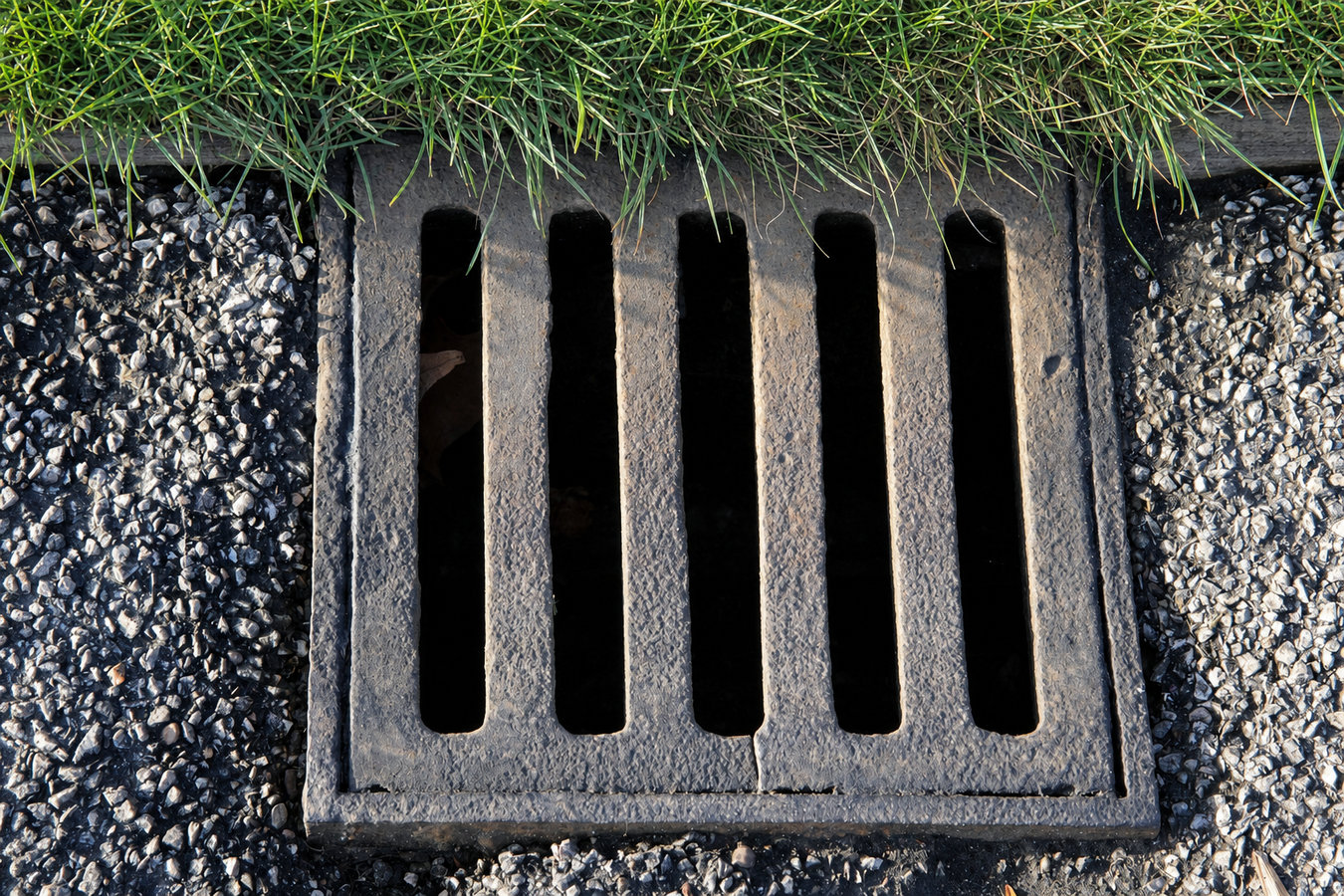
Standing water on your driveway or parking area is not just annoying - it is actively destroying your pavement. We fix drainage problems before the next Gulf Coast storm makes them worse.
Drainage solutions in Corpus Christi involve moving rainwater away from your paved surface using channel drains, catch basins, slope corrections, or regrading - and most residential driveway jobs are completed in one to two days.
When water pools on an asphalt surface, it finds its way into small cracks and softens the base material underneath. In Corpus Christi, where Gulf storms can drop several inches of rain in a matter of hours, that damage happens fast. The flat terrain across much of the city means water does not run off naturally - it simply sits until something moves it. Pairing good drainage with proper grading during installation or repair is the most reliable way to keep water off your pavement for the long term.
Left alone, standing water leads to potholes, sinking sections, and eventually a full replacement that costs far more than a drainage fix would have. Acting on a drainage problem early is one of the highest-return investments you can make in your pavement.
If you see standing water in the same spots on your driveway after a storm - even a moderate one - your surface does not have enough slope or outlet to move water away. In Corpus Christi, where heavy Gulf rains are common, that pooling lingers long after the storm passes and is actively working against your pavement.
If part of your driveway feels soft underfoot or flexes slightly when you drive over it, water has likely reached the base material and weakened it. This is especially common in Corpus Christi's clay-heavy soils, where moisture gets trapped beneath the surface and the ground shifts. Left alone, soft spots become potholes.
If rainwater flows off your driveway toward your home rather than away from it, you have a slope problem that needs correcting. Water near a foundation can cause serious structural damage over time - this is a situation where acting quickly protects more than just your pavement.
If you see soil washing away from the sides of your driveway after heavy rains, water is leaving the pavement surface in the wrong direction. Gulf storms can cause significant erosion in a single event, and repeated washouts will eventually undermine the edges of the pavement itself.
We assess how water currently moves across your paved surface, identify where it is going wrong, and recommend the right fix - whether that is a simple slope correction, a channel drain at a low point, a catch basin with underground pipe, or a full regrade. Every recommendation starts with seeing the property in person, because drainage problems are impossible to diagnose accurately from a phone call. We also coordinate with our speed bump installation team when placement could affect water flow across a parking area or private road.
When a drainage correction requires regrading a significant area, we often pair it with our grading and excavation services to reshape the base before repaving. This approach addresses the root cause - not just the symptoms - and gives you a surface that drains correctly from day one rather than developing new low spots as the ground settles.
Suited for driveways and lots where the pavement is still sound but water is pooling because the slope is wrong.
The right choice for a low point along a driveway or garage apron where water consistently collects after rain.
Best for larger areas where a single collection point and underground pipe can carry water away from the surface efficiently.
Ideal when water is running off the pavement edge and eroding the soil or landscaping alongside the driveway.
Corpus Christi sits on the Gulf Coast and regularly receives heavy, fast-moving rainstorms - including tropical systems that can dump several inches of rain in a matter of hours. The city is also unusually flat, which means water does not naturally run off quickly on its own. Without a deliberate slope built into the pavement or a channel to guide water away, it simply sits. The Coastal Bend also sits on expansive clay soils that swell when wet and shrink when dry, shifting the ground beneath your pavement and creating new low spots over time. Properties in Flour Bluff and other low-lying coastal neighborhoods can see these effects especially quickly after a significant storm.
Corpus Christi's intense sun and heat also accelerate the aging of asphalt surfaces, making them more likely to crack - and those cracks become entry points for water. Keeping drainage working well is directly connected to keeping the pavement surface intact, because water infiltration speeds up heat-related deterioration. Properties in Calallen and other areas with heavier clay soils find that drainage corrections and proper base prep make a measurable difference in how long their pavement holds up through wet seasons.
For background on how drainage affects pavement performance, the National Asphalt Pavement Association and the EPA Green Infrastructure program both publish accessible resources on stormwater management and pavement design.
Call or submit a request and describe what you are seeing - where water pools, how long it stays, and whether you have noticed soft spots or cracks nearby. We respond within 1 business day and schedule a site visit before quoting anything.
We walk the surface, check the slope, look at where water currently exits the property, and identify all problem areas. You receive a written estimate that explains what we recommend and why - in plain terms, not contractor jargon.
If the drainage work connects to a city storm drain or involves the public right-of-way, we check with the city before starting. We handle that step for you and let you know if it will affect the timeline.
Most residential drainage jobs are done in a single day. If new asphalt was placed, we give you a specific wait time before driving on it - longer in summer heat when fresh asphalt stays soft. We walk the finished work with you before leaving.
We come out, look at how water moves across your property, and give you a clear written estimate - no pressure, no guesswork.
(361) 260-1127We design drainage corrections for the peak rainfall that comes with a coastal Texas storm - not just routine afternoon showers. A system sized for light rain fails during the heavy events that matter most here.
Corpus Christi's expansive soils shift with every wet-dry cycle, creating new low spots over time. We account for that ground movement when we grade and place drains, so the solution holds up through multiple seasons rather than just the first one.
Every job comes with a written estimate that describes the work in detail before we start. You know exactly what is being done and what it costs - and we handle any permit coordination with the city so you do not have to navigate that process alone.
Our work meets the standards set by the National Asphalt Pavement Association, and our contractor license is verifiable through the Texas Department of Licensing and Regulation at tdlr.texas.gov.
When you put those factors together - Gulf Coast engineering, local soil knowledge, transparent pricing, and verifiable credentials - you get a drainage solution that actually works the first time it rains, not one you are calling us back to adjust.
Add permanent traffic calming to a driveway or parking area without disrupting the drainage work you have already done.
Learn MoreFull base regrading to establish the correct slope before repaving - the foundation that keeps drainage working for years.
Learn MoreCorpus Christi's Gulf weather will not wait - get your driveway or parking area draining correctly now, before the next heavy rain makes the problem worse.