Loading...
Serving Corpus Christi, TX and surrounding areas. (361) 260-1127
Linear Corpus Christi Asphalt Paving brings asphalt paving, commercial paving, and driveway work to Portland, TX, with a crew that has worked this side of Corpus Christi Bay since 2019. We know the clay soils, the salt air, and the kind of wear that Gulf Coast summers put on pavement in San Patricio County.
Portland's US-181 corridor carries steady commercial and industrial traffic, and parking lots along that strip take more punishment than a typical residential driveway. Our commercial asphalt paving work accounts for traffic load, drainage from Gulf storms, and the salt-air oxidation that affects pavement along the bay faster than it would a few miles inland.
Most of Portland's residential neighborhoods were built between the 1980s and 2010s, which means a large share of driveways are now in the 15-to-35-year age range where concrete begins to crack from clay soil movement and heat cycles. Whether you are replacing a failed driveway or installing one for a new addition, base depth and drainage slope are the two details that separate a driveway that lasts from one that needs repair in a few years.
Being right on Corpus Christi Bay means Portland properties get hit with salt air year-round, not just during storm season. That salt accelerates the oxidation of the asphalt binder, causing surfaces to turn gray, become brittle, and crack sooner than they would inland. A regular sealcoating schedule is the practical answer, and it costs a fraction of what a full replacement runs.
Portland's commercial strip and the industrial traffic related to nearby port and petrochemical operations mean parking areas around local businesses see heavy, regular use. A properly designed parking lot here needs adequate sub-base depth for the load and a drainage plan that moves water off the surface quickly, because standing water after a spring thunderstorm or tropical system destroys a base that was not built for it.
The clay soil under Portland expands and contracts with every wet and dry cycle, opening small cracks in asphalt that look minor but allow water in immediately. During Portland's occasional heavy rain events - especially in tropical storm season - those small cracks become the entry point for water that undermines the base. Sealing them in the first season they appear is a small investment that avoids a much larger repair.
Heavy Gulf Coast thunderstorms and tropical weather can wash out soft spots in asphalt that have been slowly failing beneath the surface. Portland driveways and parking lots that have not been maintained through a few hard rain seasons are often the first to develop potholes. We use hot-mix asphalt on every repair - not cold-patch filler - because in this climate, repairs that do not bond properly to surrounding pavement fail again within a season.
Portland is a growing city on the north shore of Corpus Christi Bay, and the combination of factors it presents for asphalt work is specific to this stretch of the Texas Coast. The housing stock is largely from the 1980s through the 2010s - brick veneer and stucco homes on concrete slabs, with attached garages and concrete driveways that are now hitting the point where they need attention. The soil under most of these properties is heavy coastal clay, which moves with every weather cycle and creates the cracking and settling that homeowners start noticing around year 15 or 20.
Portland also sits directly on Corpus Christi Bay, which means the salt air exposure is constant and real. Homes even a mile or two from the waterfront experience salt-accelerated surface degradation that a contractor from inland South Texas may not anticipate or account for. Add to that the threat of tropical storms from June through November, the intense summer heat that softens asphalt under heavy loads, and the heavy spring thunderstorms that can dump several inches of rain in a short period, and you have a climate that demands local experience on every paving job. According to the National Weather Service, the Texas Coastal Bend is one of the most active regions for tropical weather on the Gulf Coast, which is a factor any paving contractor serving Portland should be designing for.
Our crew works throughout Portland regularly, and we understand the local conditions that affect asphalt paving work here. US-181 running through the center of Portland is a road we travel constantly - it is the main artery connecting Portland to Corpus Christi and to the communities to the north, and the commercial corridor along it is a regular part of our work schedule. We know which subdivisions were built with good drainage grades and which low-lying blocks hold water after a hard rain, because that knowledge changes how we design a base.
Portland is defined by its position on the bay. The Harbor Bridge crossing connects residents to Corpus Christi for work and daily errands, but it also means Portland carries a distinct coastal identity separate from the larger city to the south. The neighborhoods between US-181 and the water sit in a particularly exposed position, where salt air from the bay arrives from one direction and the wind from the Gulf can cut through from the other during any tropical weather event. State Highway 361 gives access northeast toward Ingleside and Aransas Pass, and we cover that corridor as well.
We also work regularly in neighboring communities. Properties in Gregory, the small city that sits just north of Portland, are part of our routine service territory, as are properties in Ingleside to the northeast.
Call us directly or fill out the estimate form on this site. We respond to Portland area requests within one business day and can schedule a site visit quickly.
We come to your Portland property, measure the area, evaluate the existing surface and base condition, and check how water drains across the site. The written estimate details every cost before work starts - you will not see unexpected charges on the final invoice.
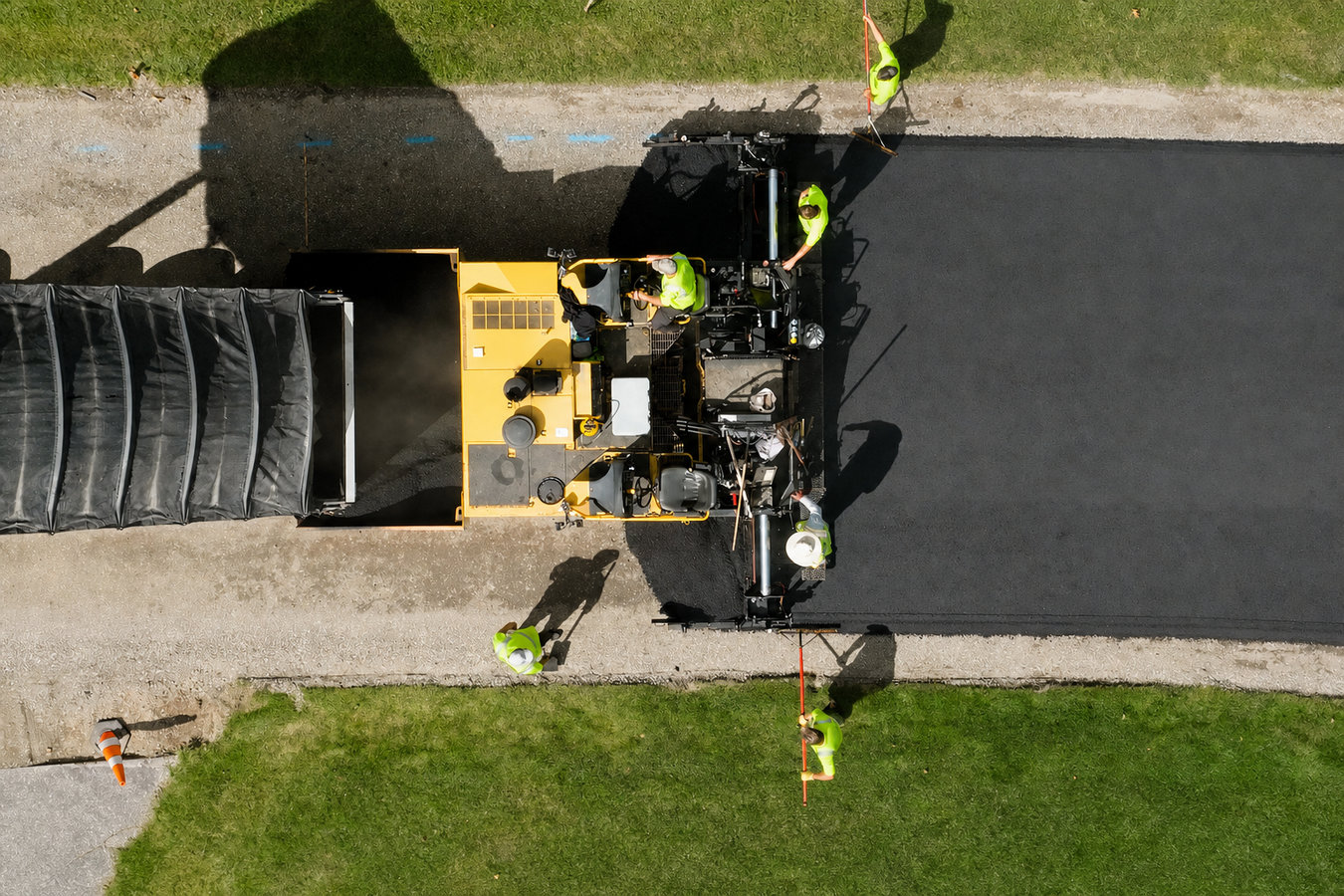
On the agreed day, the crew handles all prep - grading, base repair, or removal of old material - before laying the asphalt. We schedule around the weather, since placing mix in extreme afternoon heat or ahead of incoming rain affects the finished quality.
Once work is complete, we walk through the finished surface with you, explain the cure timeline - typically 24 to 72 hours before driving on it - and answer questions about ongoing maintenance for Portland's coastal conditions.
We serve Portland and the surrounding San Patricio County communities. Written estimates, one business day response, no pressure.
(361) 260-1127Portland, Texas sits in San Patricio County on the north shore of Corpus Christi Bay, directly across the Harbor Bridge from Corpus Christi. The city has grown into a bedroom community for the larger metro, with many residents commuting south across the bay for work in energy, port operations, healthcare, and military employment at Naval Air Station Corpus Christi. The housing stock reflects that growth - most neighborhoods were developed between the 1980s and early 2010s, with single-story and two-story brick or stucco homes on concrete slab foundations. Lots are modestly sized, garages are attached, and driveways are the standard concrete construction that is common across coastal Texas subdivisions.
Portland is defined by its bay-front position and its easy access along US-181. The commercial strip along the highway serves the city's daily retail and service needs, while State Highway 361 connects northeast toward the communities of Ingleside and Aransas Pass. The neighboring city of Gregory sits just to the north and shares a similar profile of suburban homes on clay soils. The entire Portland area is part of the Texas Coastal Bend, a region where the combination of bay exposure, gulf weather, and expansive soils makes regular property maintenance more important than homeowners who moved from drier parts of Texas might expect.
Large-scale paving projects delivered on time for commercial clients.
Learn MoreDurable curbs and walkways that define and protect your property.
Learn MoreLinear Corpus Christi Asphalt Paving covers Portland and the surrounding San Patricio County area. The longer pavement problems sit, the more they cost to fix.